
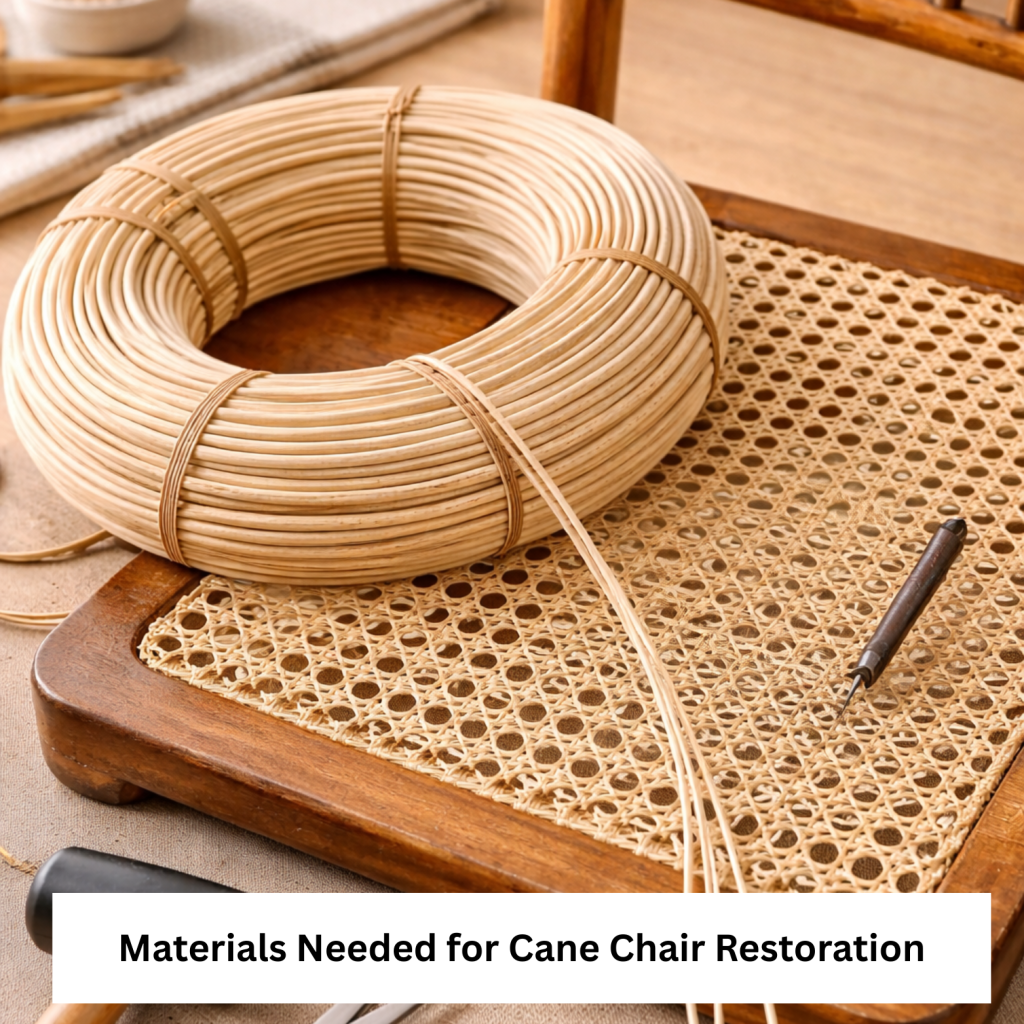
Older furniture often has a built in patina and flaws which sophisticated consumers appreciate. The more and more users a cane weaving item has or is used, the weaker, broken, or sag it can become. In such a case, the chair needs restored to its former state of beauty.
The initial step in restoring cane furniture is understanding the materials required, and in Materials Needed for Cane Chair Restoration, you’ll learn about the essential tools, supplies, and preparation needed for proper cane weaving and reweaving.
Cane chair restoration is a popular DIY furniture project among enthusiasts and collectors. With a few materials and techniques, even a novice can learn how to fix worn cane seats and prolong the life of antique furniture.
The use of good quality restoration materials ensures that the end product is both strong and nice. Using the right materials also helps to ensure antique furniture is historically authentic.
This article will discuss the materials needed for cane chair restoration , its utility, comparison of restoration supplies and tips for cane chair restoration project.
Understanding Cane Chair Restoration
Cane chair restoration involves the repair of the woven cane pattern which forms the seat or back of the chair. Traditionally made with rattan cane, this woven medium is known for its flexibility, resilience and natural beauty.
Cane chair restoration involves repairing the woven cane pattern that forms the seat or back of the chair, often made from flexible and durable rattan. Understanding the structure of cane furniture helps in choosing the right materials, and Basket Making Supplies can be useful for sourcing quality cane and tools needed for reweaving.
Over time, cane strands may experience gradual cracking or loosening due to humidity, weight pressure and ageing. When damage cane is remove and the weaving is redone with new cane, it is a restoration.
To fix cane furniture you need both persistence and precision. A specific way has done for every strand which recreates the six-way weaving used in cane seats.
Restoring antique cane furniture increases the value of your property. The construction of vintage chairs make them irreplaceable. Restoration is better than disposal of the item in question, after all.
| Material | Purpose | Durability | Best Use |
| Natural Rattan Cane | Primary weaving material | High | Traditional weaving |
| Cane Spline | Secures cane in groove seats | Moderate | Pressed cane seats |
| Wooden Pegs | Temporary weaving support | High | Hand weaving |
| Cane Binding | Decorative edge finishing | Moderate | Chair borders |
Familiarizing oneself with these materials helps restorers make the right choice regarding the process and materials to use.
Required Materials for Cane Chair Repairing
To restore cane chair and preserve cane’s pattern, you require certain materials to weave with cane. It includes cane webbing. Renewing cane chairs is simple. You are going to need some weaving supplies and some tools.
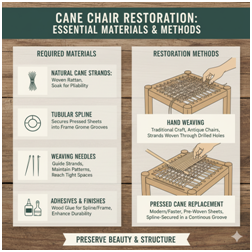
Strands For Cane Weaving Natural
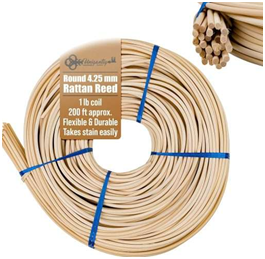
Nature rattan cane is the main ingredient in restoration. These thin strips are flexible, though strong enough to make seats of chair when woven.
Before weaving, cane strips are left to soak in water. This substance increases the pliability of the material while preventing breakage.
Tubular spline for pressed cane seats
Some chairs use pre-sewn cane sheets instead of hand weaving. A fitted sheet contains spline material that grips the seat fabric within a groove encircling the chair’s frame.
Needles for Cane Weaving
The cane strands are guide through holes in chair seats by weaving needles. The tools assist in simplifying weaving and maintaining consistent patterns.
Long weaving needles help to get into the crannies of the chair.
A tool for sticking and decoration
Restorations are secure and enhanced/optimized using adhesives and finishing products. Use wood glue for installing spline or steel reinforcing chair frames.
Using such materials, the restorers will not only retain the woven design but also structure of the chair.
Ways To Restore Cane
You may either get the chairs handwoven or have the cane pressed in for a replacement. Once you know which materials are need to restore a cane chair, you will know which technique to use on which chair pattern.
Traditional hand weaving is featured in antique chairs with drilled holes on their seat frame. This technique employs distinct cane strands that are woven six different ways through openings.
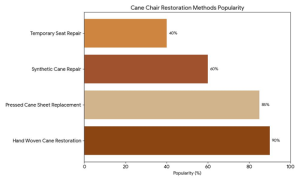
- The hand-woven cane restoration is the gold standard, and the customers love it because it brings back the traditional feeling.
- The burnt/wavy cane sheet replacement is being done on about 85% of cane seating furniture. It’s quite in-demand for contemporary fixes. It is prized for being easy and faster to implement when compared to hand-weaving.
- Synthetic Cane Repair (60%): Overall, it is affordable and practical. But it doesn’t look as genuine as rattan does.
Selecting Restoration Materials of the Right Quality
Selecting appropriate supplies is essential to achieve professional results. Make sure to compare the construction method of the chair before deciding the materials for repair.
Begin by taking a good look at the chair frame. Hand weaving material is required for chairs with drilled holes while groove based frames require cane sheets and spline.
These are quality cane strands. The flexible and unbreakable nature of rattan cane helps in weaving of cane furniture.
Tips on Choosing Restoration Materials
- Choose natural rattan cane for conventional repairs.
- Choose the correct spline size for the groove fittings.
- Water sets soft bondage in cane.
- Make a long-term investment into good weaving equipment.
Getting ready also improves development results. Chair frames cleaned and lose joints repaired so that stable chair can be cane in.
Selecting and/or sourcing the most appropriate materials is worthwhile. It aids in achieving a restoration that is both durable and visually appealing.
Wicker cane for extension chairs
There is more to restoring a cane chair than repairs. They help in preserving the craftsmanship of tradition and the beauty of antique furniture.
Restoring a cane chair is more than just repair—it helps preserve traditional craftsmanship and the beauty of antique furniture. At Cane Weaving Supplies, we believe using the right materials ensures strength, durability, and an authentic look, allowing restored chairs to last for decades while maintaining their original design and charm.
Restoring cane chairs is a fulfilling craft project for homeowners and collectors. Wood working skill and traditional weaving are combined in this process.
Commonly Asked Questions
1. Cane webbing is a specific variety of cane used for chair restoration.
Natural rattan cane is often used for restoration work. It’s strong, flexible, and generally used in woven furniture. With proper treatment of rattan strands, traditional weaving patterns faithfully recreated.
2. Is it possible for newbies to restore cane chairs?
With sufficient patience, even a novice can restore cane chairs. Learning the six-step weaving pattern may take time but many resources and guides can help you out Start with easy repairs to build confidence.
3. How Long Will Cane Chair Restoration Take?
The time for restoration will vary depending on the chair framework and weaving. Weaving by hand can take hours or longer. Replacing the pressed cane done more quickly.
Do we need to soak cane strands before weaving?
The cane strands soaked in warm water to soften the material. The strands are thus easier to bend and less prone to breakage during weaving. Moistening improves weaving flexibility.
4. Can cane seats with worn-out weave be refurbished instead of needing a complete replacement?
If the damage is very mild, it may not always be required to patch it entirely. It will guarantee your seat’s evenness in tension and appearance. Many restorers prefer replacing to restoring.
