



Product Details
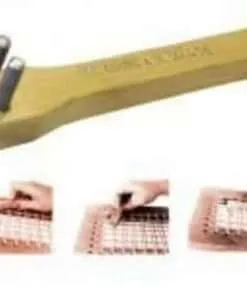
- Product name: C.S. Osborne Caning Tool No.406
- Made in: USA
- Listed length: 5 1/4″
- Listed weight: 1 oz
- Product dimensions shown: 8 x 6 x 3 inches
- Listed item weight: 0.8 ounces
- Listed shipping weight: 0.8 ounces
- Tool style: Two-pin caning tool
- Best use: Chair caning, cane weaving, and cane strand positioning
- Category: Weaving & Spinning Supplies
How This Caning Tool Helps
During chair caning, cane strands often need to be shifted, lifted, or tightened as the pattern develops. This tool can hook one or both pins behind the cane and help pull the strand into the correct position with better control.
It is especially useful when working on cane seats, backs, or small areas where fingers may not fit comfortably. For groove preparation or old cane removal, pair this tool with a 3/16 caning chisel before installing new cane or spline.
Best Uses for Chair Caning Projects
Use this tool when working with hand-caned chairs, woven cane seats, and repair projects that require careful strand placement. It can help keep the cane aligned as you move through the weaving stages.
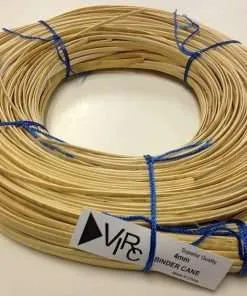
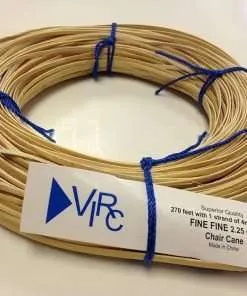
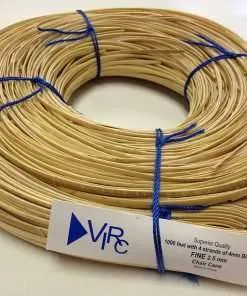
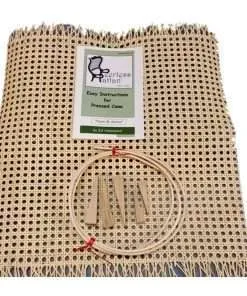
For related projects, it can be used alongside 5mm binder cane, 6mm binder cane, and other chair caning materials depending on the size and style of the repair. If your project uses pre-woven cane webbing instead of hand caning, check the groove and spline size before ordering replacement materials.
Helpful Tool Pairing Notes
This caning tool is not a cutting tool. It is made for moving, hooking, and positioning cane during the weaving process. If you need a tool for basket work or tighter weaving spaces, the C.S. Osborne 423 basket weaving tool may also be useful for smaller or more confined projects.
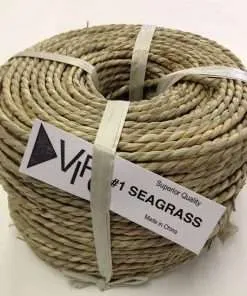
For seat repair projects that also involve natural cord or rush material, compare the project style before ordering. A product such as twisted seagrass coil is used for different seating and weaving applications, not as a direct replacement for cane strand.
Care and Storage
Wipe the tool clean after use, especially if it has been handled while working with damp cane. Store it in a dry place with other chair caning tools so the pins stay straight and ready for future repair work.