
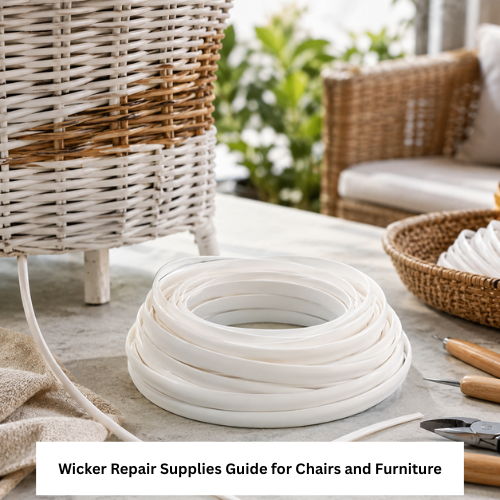
Your wicker repair supplies selection should start with the damaged material rather than the furniture name alone. Chairs, baskets, and patio pieces may use natural rattan reed, cane, paper fiber, or synthetic strips. The replacement must match the original width, thickness, shape, color, and flexibility.
Before ordering, measure an undamaged strand and photograph the weave from several angles. Cane weaving supplies shoppers should also check whether the repair is decorative or load bearing because a seat frame or structural joint may need professional attention.
How to Choose Wicker Repair Supplies for Each Project
Different repairs need different material forms. Flat reed is useful for broad woven bands, while round reed and spline serve different patterns and grooves. Synthetic wicker is often chosen for outdoor furniture, but it must still match the existing strip profile.
| Repair project | Likely material type | Main compatibility check | Common mistake |
| Wicker chair seat or back | Cane webbing reed or binder cane | Weave pattern groove and strand size | Ordering by color only |
| Basket rim or side | Flat oval or round reed | Width shape and flexibility | Mixing brittle material with new reed |
| Patio furniture wrap | Synthetic wicker strip | Profile color and weather exposure | Using indoor material outdoors |
| Pressed cane panel | Prewoven webbing and spline | Mesh size groove width and spline fit | Reusing damaged spline |
| Decorative edge | Binder cane or narrow strip | Finish thickness and bend radius | Pulling too tightly around corners |
Natural Materials for Chair and Basket Repair
The natural repair binder cane considered when a chair edge, basket rim, or wrapped joint needs a natural rattan strip. Verify the width, color, quantity, and preparation directions before buying.
A flat reed wicker repair coil may suit basket repair material and wider woven sections. Compare the existing strand with the listed width, profile, and finish because flat reed and flat oval reed are not interchangeable in every pattern.
Natural rattan reed usually needs controlled moisture before bending, but soaking time varies. Follow the seller instructions and do not leave material submerged longer than recommended because oversoaking can weaken or discolor it.
Synthetic Materials for Patio Furniture
The flat synthetic wicker repair kit may be useful for outdoor wicker repair when the original furniture uses a flat artificial strip. Confirm width, thickness, texture, color, and whether the material is intended for the same exposure conditions.
Synthetic wicker repair should not be match by color alone. Compare the cross section and flexibility, then test a small hidden section before completing a visible panel.
Do not apply open flame or uncontrolled heat to soften plastic wicker. Use only the shaping method allowed by the product instructions and work in a ventilated area when adhesives or cleaners are involved.
Tools Setup and Installation
An Osborne caning chisel can help remove old spline from a pressed cane groove when the tool size suits the project. Wear eye protection, keep hands behind the cutting edge, and avoid damaging the wooden groove.
Remove loose material carefully and preserve an intact section as a pattern. Clean the frame and let it dry before installing new material. Measure twice and allow enough extra length for bends, overlaps, and trimming.
When comparing wicker repair supplies, check whether adhesive, pegs, wedges, spline, scissors, clamps, or finishing materials are required. Use only adhesives suitable for both the frame and the replacement material.
The outdoor wicker repair material listing provides an external example for comparing synthetic strip color, width, and package details before purchase.
Troubleshooting and Maintenance
If the new weave looks uneven, check strand spacing and tension before trimming the ends. Excess tension can distort a frame, while loose tension can create gaps and movement.
If the color match is poor, compare the material in daylight before installation. Natural reed may change after finishing, while synthetic strips may vary between batches. Verify before buying.
Dust repaired wicker with a soft brush or vacuum attachment. Keep natural rattan away from standing water and direct heat, and inspect outdoor synthetic furniture for cracked strips and loose ends.
Wicker Repair Buying Checklist
Before choosing wicker repair supplies, check these points.
- Measure strand width thickness shape and usable length
- Match natural synthetic flat round or oval material
- Confirm the weave pattern groove and spline compatibility
- Check color texture flexibility and finish
- Review sharp tool adhesive and ventilation safety
- Confirm soaking shaping installation and drying instructions
- Check cleaning storage and maintenance needs
- Review warranty return policy and opened material rules
- Confirm replacement material tools and matching colors remain available
- Check delivery packaging to prevent crushed or kinked strands
- Verify before buying when dimensions or materials are unclear
Conclusion
The right wicker repair supplies should match the original material and the demands of the chair, basket, or patio furniture. Measure an intact strand, choose compatible tools, test the color and flexibility, and follow safe preparation and installation directions.
FAQ
Can Natural Rattan Repair Outdoor Furniture?
It may not suit constant outdoor exposure unless the furniture design and finishing instructions specifically allow it.
How Do I Measure Wicker Repair Material?
Measure the width, thickness, profile, and length of an undamaged strand with a ruler or caliper.
Can Synthetic Wicker Be Soaked Before Weaving?
Usually not. Follow the product instructions because synthetic materials use different shaping methods.
Should I Repair a Broken Chair Seat Myself?
Decorative damage manageable, but structural or load bearing damage professionally assessed.
How Much Extra Material Should I Buy?
Allow extra for bends, overlaps, trimming, testing, and mistakes, but verify the project guidance before ordering.
