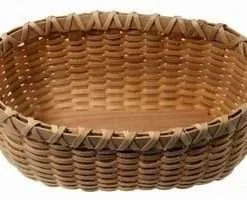


Product Details
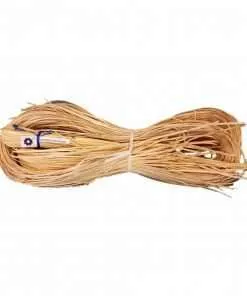
- Product: KOHAND 2 Pack Round Reed Spline Chair Cane
- Quantity listed: 2 round reed coils
- Size listed: 0.2 inch / 5mm
- Length listed: 65 feet per roll
- Total length listed: approximately 131 feet
- Material listed: reed / natural rattan cane
- Color listed: natural
- Total weight listed: about 500g / 1.1 pounds
- Package dimensions listed: 11.22 x 11.22 x 3.27 inches
- Item model number listed: FAATCOI
- Item weight listed: 1.23 pounds
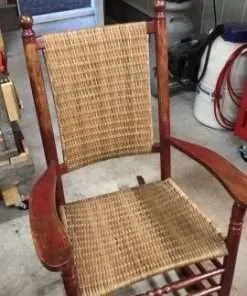
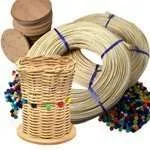
- Best for: chair cane repair, basket weaving, wicker weaving, furniture fixing, craft projects, and decorative rattan work
Important compatibility note: this is round 0.2 inch / 5mm reed material, not a flat cane webbing sheet and not wedge-style spline for pressed cane grooves.
For a similar material option, compare round reed spline cane weaving before choosing the right size.
Best Uses for 0.2 Inch Round Reed
This round reed is best for projects that need a thicker, flexible reed that can be bent around curves and corners. It can be used for basket frames, basket handles, chair backs, wicker repair, small furniture accents, and craft decorations. The 5mm size may be too thick for narrow grooves or fine cane patterns, so measure the repair area before cutting.
If you need another multi-roll option, compare the 2-roll round reed spline set for chair caning and wicker repair projects.
For smaller repair kits with multiple spline sizes, review the chair caning round reed spline kit before ordering.
Round Reed, Flat Spline, and Cane Webbing Difference
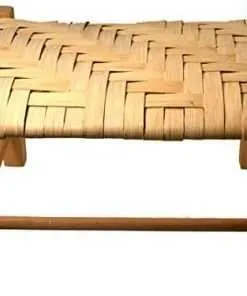
The listed size is 0.2 inch / 5mm, so confirm your project pattern or repair groove before purchasing. This product is round reed, which means the material has a round profile. It is not the same as flat wedge-shaped spline used to lock pressed cane webbing into some chair grooves, and it is not a sheet-style cane webbing roll.
Use it only when your project calls for round reed, round cane, wicker weaving material, basket handle material, or a round repair strand. If your chair seat needs a flat locking spline or a full webbing panel, choose that specific material instead.
If your chair repair requires wedge-style spline, compare spline for cane chairs instead of using round reed.
For projects that need traditional chair cane rather than round reed, check chair cane common 3.5mm before starting the repair.
Setup and Weaving Guidance
Before use, lightly dampen the reed as needed so it becomes easier to bend and less likely to crack. Do not over-soak unless your project method specifically calls for it, because excess moisture can make natural reed harder to control. Work with manageable lengths instead of pulling too much loose from the coil at once.
Use sharp cutters for cleaner ends and keep steady tension while weaving. Test one small section before bending around tight curves, then re-dampen lightly if the reed feels stiff. Avoid forcing dry reed into tight turns because it can crack or split.
Care and Storage
Store unused reed in a dry indoor area away from direct moisture, heavy pressure, and extreme heat. Keep the coils loosely tied so the reed does not tangle or bend sharply.
After dampening, allow unused pieces to dry fully before storage. Natural reed may vary slightly in color, thickness, and surface texture, so inspect the coils and choose the best-looking sections for visible areas.
Before You Buy
Confirm whether your project needs round reed, flat wedge spline, or a cane webbing sheet before ordering. Also check the listed 0.2 inch / 5mm size, total length, quantity, and product details on your product page so the material matches the repair or weaving method.