
Choosing the right cane weaving supplies is the first step toward repairing a cane chair seat, restoring old furniture, or starting a small DIY caning project. Beginners should focus on the chair type, cane pattern, groove or hole style, material size, tools, and repair difficulty before ordering anything.
Chair repair can involve cane webbing, hand caning cane, reed spline, wedges, chisels, rattan cane, or a beginner caning kit. You can also browse cane weaving supplies when comparing chair caning products, tools, and weaving materials in one place.
Cane Weaving Supplies Beginners Should Understand
Cane weaving supplies are not one-size-fits-all. A pressed cane chair usually needs pre woven cane webbing, spline, wedges, and a groove-cleaning tool, while a hand-caned chair usually needs individual strands of chair cane.
Before buying, check the chair seat design carefully. If the chair has a groove around the seat opening, it likely uses cane webbing and spline. If it has drilled holes around the frame, it may require hand caning cane.
Chair Caning Supplies and Material Types
The right chair caning supplies depend on whether the old seat uses sheet cane, strand cane, rush, reed, or another woven material. Do not assume all cane chairs use the same repair method.
If the old material is still attached, take photos and measure the opening, groove width, or hole pattern before removing everything. If measurements or compatibility details are unclear, verify before buying.
| Material or Tool | Best Use | Beginner Benefit | What to Verify Before Buying |
| Cane webbing | Pressed cane chair seats and backs | Faster than hand weaving | Mesh size, sheet width, groove fit |
| Chair cane strands | Hand-caned chairs with drilled holes | Traditional repair method | Strand size, hole spacing, pattern |
| Reed spline | Pressed cane groove installation | Holds cane webbing in place | Groove size and spline diameter |
| Caning wedges | Holding wet cane in place | Helps with installation control | Quantity and size |
| Caning chisel | Removing old spline and material | Cleaner groove preparation | Tool size and safe use |
| Beginner kit | First-time chair repair | May include multiple basics | Confirm all included parts |
Cane Webbing for Pressed Cane Chairs
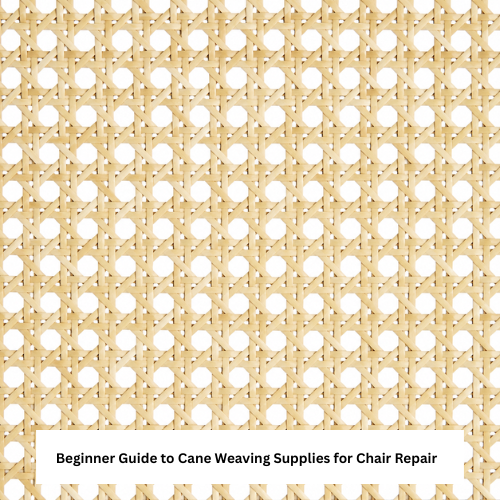
Cane webbing is often used for chairs with a groove around the seat or back opening. It is usually installed by soaking the webbing, placing it into the groove, and securing it with spline.
Check the mesh pattern, sheet width, color, and whether the webbing size fits your chair opening. If you are replacing a chair seat, measure the opening and add extra material for fitting, but verify product-specific guidance before buying.
Chair Cane, Rattan Cane, and Wicker Repair Supplies
Hand-caned chairs use strands instead of sheet webbing. For this type of repair, the hole spacing and cane strand size are important.
Rattan cane may also be used in furniture repair, basket making, and decorative projects. If you are repairing wicker furniture, review wicker repair supplies separately because wicker repair materials may not match a cane chair seat.
Tools Beginners May Need
Some projects need more than material. You may need a caning chisel, wedges, glue, scissors, soaking container, measuring tape, and clamps depending on the repair method.
For pressed cane projects, a caning chisel can help remove old spline from the groove, but use it carefully to avoid damaging the chair frame.
You can compare a chair caning spline coil if you want to understand common spline-style repair supplies before choosing your material.
Setup Tips Before Starting Chair Repair
Work on a clean, stable table with good lighting. Keep the chair secure so it does not move while you remove old material or press in new cane.
Soaking time, glue type, and drying time can vary by product and project. Follow the material instructions and verify before buying if the product page does not explain setup requirements.
Safety and Handling Tips
Use hand tools slowly, especially when cleaning old grooves or removing hard spline. Wear eye protection if old material may crack, splinter, or fly loose.
Keep sharp tools away from children and pets. Do not force cane webbing into a groove that is too small, because this can damage the frame or tear the material.
Common Beginner Mistakes
One common mistake is buying cane webbing for a chair that actually needs hand caning cane. Another mistake is ordering the wrong spline size.
Do not skip measuring. Groove width, seat opening, webbing mesh, and strand size all matter. If you are unsure about the chair type, verify before buying.
Troubleshooting Chair Caning Problems
If cane webbing will not sit flat, check whether it was soaked correctly and whether the sheet is large enough. If spline will not fit, check groove size and old spline diameter.
If the finished seat feels loose after drying, the material may not have been set tightly enough, or the wrong size may have been used. For valuable antique furniture, consider professional help before attempting a difficult repair.
Practical Buying Checklist
- Identify whether the chair uses pressed cane or hand caning.
- Measure the seat opening, groove width, or hole spacing.
- Check cane webbing mesh size or chair cane strand size.
- Verify spline size before buying.
- Check tools such as wedges, chisel, glue, and measuring tape.
- Review setup instructions, soaking guidance, and drying needs.
- Check material quality, color, and pattern match.
- Review safety needs for tool use and frame handling.
- Check warranty, return policy, delivery, and support.
- Confirm replacement materials and accessories are available.
- Verify before buying if any size or compatibility detail is unclear.
Conclusion
The best cane weaving supplies for chair repair depend on your chair style, material size, tools, and comfort level. Beginners should measure carefully, identify pressed cane versus hand caning, choose compatible materials, and verify every product detail before starting the repair.
FAQ
What cane weaving supplies do beginners need?
Beginners may need cane webbing or chair cane, spline, wedges, a chisel, measuring tape, glue, and basic cutting tools depending on the chair type.
How do I know if my chair needs cane webbing?
If the seat has a groove around the opening, it likely uses cane webbing and spline. If it has drilled holes, it may need hand caning.
What is spline used for in chair caning?
Spline helps hold pressed cane webbing inside the chair groove. The spline size must match the groove.
Can beginners repair a cane chair at home?
Yes, simple pressed cane repairs can be beginner-friendly with the right tools, measurements, and instructions. Complex antique repairs may need expert help.
What should I verify before buying chair caning supplies?
Verify chair type, material size, groove width, spline size, included tools, return policy, and compatibility before buying.
