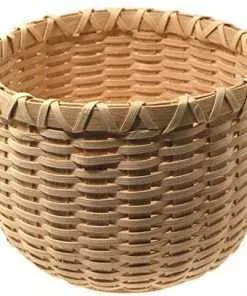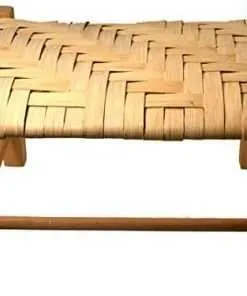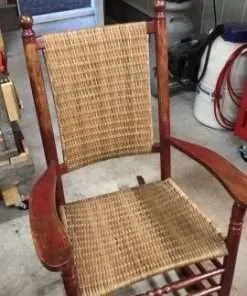


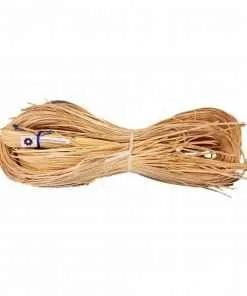


Product Details
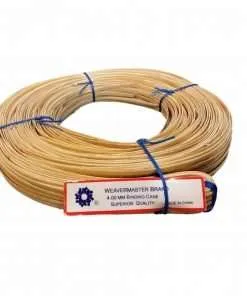
- Product type: strand cane / chair cane
- Length: 1000 ft hank
- Available sizes: superfine 2mm, fine-fine 2.25mm, fine 2.5mm, narrow-medium 2.75mm, medium 3mm
- Selected size shown on page: fine-fine 2.25mm
- Material: natural cane
- Estimated coverage: enough to weave 2 to 4 average-size cane seats
- Best for: drilled-hole chair caning, seat weaving, chair restoration, and cane furniture repair
- Not for: pressed cane seats that use a groove and spline
- Tools, binder cane, and instructions: not included
How to Choose the Right Cane Size
Choose the right strand cane size by measuring the diameter of the chair holes and the spacing between each hole. Smaller holes usually need superfine or fine-fine cane, while larger chair openings may need narrow-medium or medium cane.
If this full hank is more than you need, compare it with a 500 half hank strand cane option for smaller repair projects.
Best Uses for Strand Cane
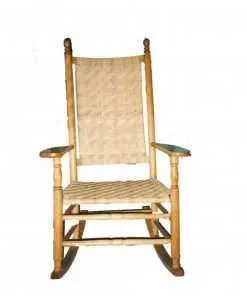
This 1000 ft strand cane hank is best for traditional hand-caned chairs where individual cane strands are woven through drilled holes around the seat frame. It is a practical choice for chair recaning, antique seat repair, cane-bottom chairs, and furniture restoration projects.
This is not the correct material for groove-style pressed cane seats. Those projects usually need pre-woven cane webbing, spline, wedges, and different installation steps.
Preparation and Weaving Notes
Soak only the cane strands you plan to use before weaving. Warm water helps make the cane flexible enough to bend through the drilled holes without cracking. Avoid soaking the full hank unless you plan to use it soon.
Keep the tension firm but not too tight while weaving. Cane naturally tightens as it dries, so pulling too hard during installation may stress the seat or frame. For a smaller repair option that includes binder cane, compare this product with a 270 coil of cane with a binder strip.
Tools and Setup Guidance
This product does not include tools, binder cane, pegs, or instructions. Before starting the project, review the chair caning tools guide so you can prepare the correct setup for hand-caning work.
Care and Storage
Store unused strand cane in a dry indoor place away from heavy moisture and direct heat. Natural cane may vary slightly in color, thickness, and texture, which is normal for cane weaving material.
After the chair seat is woven, allow it to dry fully before regular use. Keep finished cane seats away from soaking water, harsh cleaners, and direct outdoor weather. For more repair materials, browse chair caning supplies.